When investing in stone worktops, one of the first questions homeowners ask is: how long will they actually last? Kitchens are demanding spaces where worktops face constant heat, spills, impacts and daily wear. Understanding lifespan means looking beyond the material itself to consider installation quality, maintenance habits and real-world use.
The short answer? When properly installed and maintained, stone worktops typically last 20 to 50+ years, often outliving the kitchen cabinets beneath them.
What Determines How Long Stone Worktops Last?
Several factors work together to determine worktop longevity:
Material properties – Hardness, porosity and heat resistance vary significantly between stone types.
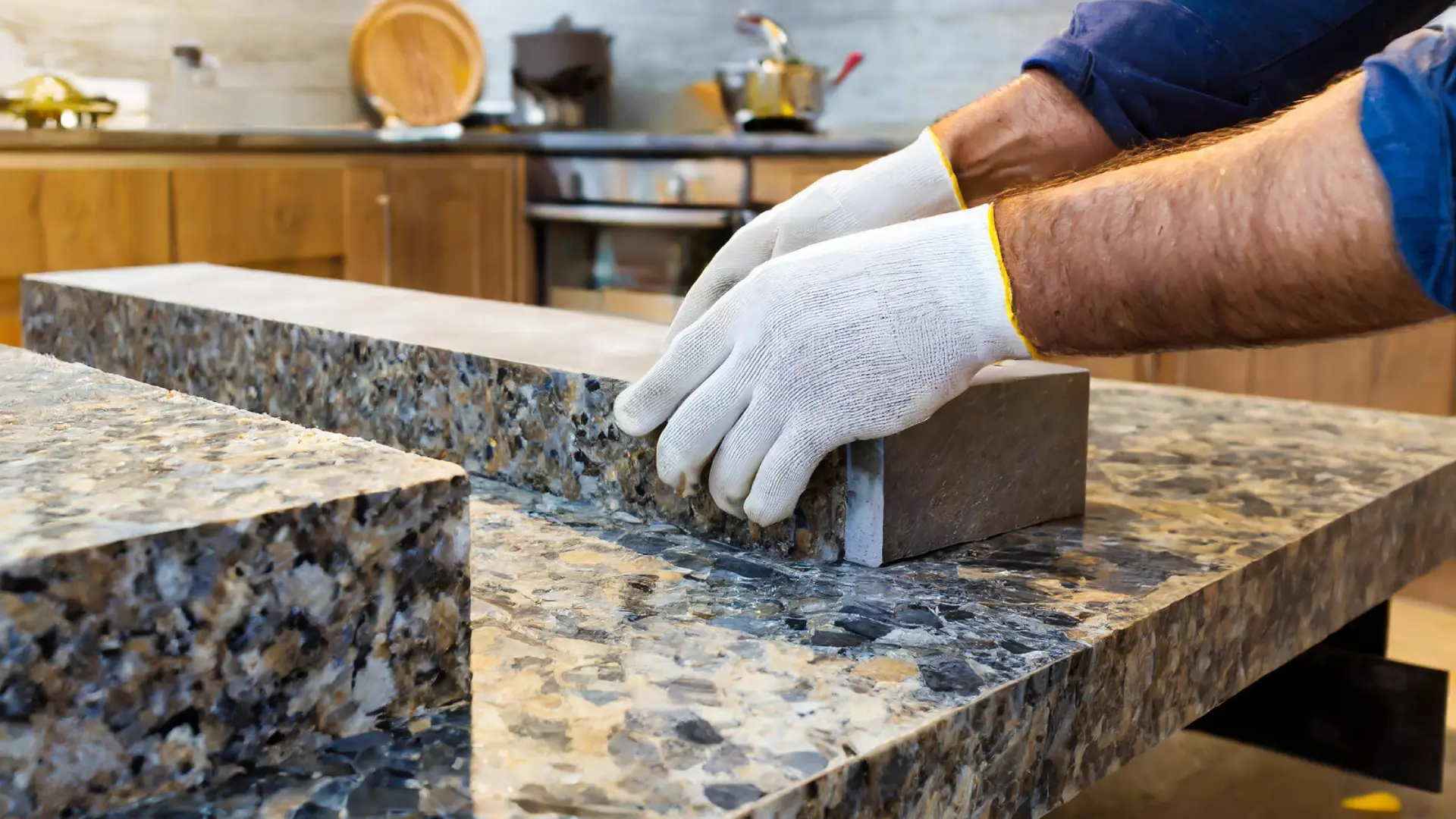
Installation quality – Accurate templating, proper support and precise fitting are critical. Poorly supported worktops or incorrect cut-outs create stress points that can lead to cracking, regardless of material quality.
Daily use patterns – A kitchen used for intensive cooking places different demands on surfaces than one used for light meal preparation.
Maintenance habits – Using chopping boards, wiping spills promptly, resealing when needed and protecting against extreme heat all extend surface life.
Granite Worktops: 30+ Years
Granite stands among the longest-lasting worktop materials available. Formed under extreme pressure deep within the earth, this natural stone is exceptionally strong and heat-resistant.
Expected lifespan: 30+ years, often 50+ with proper care
Strengths:
Highly heat-resistant (hot pans rarely cause damage)
Extremely hard and impact-resistant
Each slab is unique
Can be refinished if damaged
Considerations:
Requires periodic sealing (typically every 1-2 years)
Heavier than engineered alternatives
Natural variations mean colour and pattern cannot be exactly matched
Granite performs exceptionally well in busy family kitchens where durability matters most. Damage typically only occurs from significant impacts rather than normal wear.
Quartz Worktops: 20-30 Years
Engineered from approximately 90% natural quartz crystals combined with resins, quartz worktops deliver consistent performance and appearance.
Expected lifespan: 20-30 years
Strengths:
Non-porous (highly stain-resistant without sealing)
Consistent colour and pattern throughout
Low maintenance
Wide range of colours and finishes
Considerations:
Less heat-tolerant than granite (trivets recommended for very hot items)
Cannot be refinished if damaged
May discolour with prolonged UV exposure
The consistent patterning throughout quartz slabs means wear is less noticeable over time. This makes quartz particularly popular for households wanting a pristine appearance with minimal upkeep.
Marble Worktops: Decades, With Character
Marble presents a different proposition. Structurally sound and capable of lasting for decades, marble’s softer, more reactive surface develops patina over time.
Expected lifespan: 20+ years (appearance changes throughout)
Strengths:
Timeless aesthetic appeal
Naturally cool (ideal for pastry work)
Develops character through use
Can be professionally refinished
Considerations:
Softer surface (more prone to scratching)
Reacts with acidic substances (etching from lemon juice, wine, vinegar)
Requires regular sealing
Shows use more readily than other stones
For some homeowners, marble’s evolving patina is precisely the appeal. For others, it requires accepting that the surface will change. Marble suits kitchens where visual character takes priority over pristine uniformity.
Porcelain Worktops: 30+ Years
Manufactured at extremely high temperatures, porcelain represents one of the most durable modern worktop options available.
Expected lifespan: 30+ years
Strengths:
Exceptional heat, scratch and stain resistance
No sealing required
UV-resistant (suitable for outdoor kitchens)
Maintains appearance extremely well
Can mimic natural stone or other materials
Considerations:
Can chip on edges (though less brittle than expected)
Requires experienced fabricators
Limited ability to repair damage
Porcelain’s stability and low maintenance make it increasingly popular for contemporary kitchens where long-term performance matters.
Why Installation Quality Matters More Than You Think
Here’s something many homeowners overlook: installation quality often impacts longevity more than material choice.
Professional installation ensures:
Correct support throughout (preventing stress fractures)
Precise cut-outs for sinks and hobs (avoiding weak points)
Proper joint placement and alignment
Even weight distribution
Poor installation can doom even premium materials to premature failure through cracks, movement or uneven surfaces. The best stone worktop poorly installed will underperform a mid-range worktop professionally fitted.
Simple Habits That Extend Worktop Life
Small daily habits make a substantial difference:
Use chopping boards – Prevents scratching and knife damage
Wipe spills quickly – Especially important for marble and unsealed granite
Use trivets or hot pads – Particularly crucial for quartz
Avoid harsh chemicals – Stick to pH-neutral cleaners
Reseal when needed – For granite and marble (water no longer beads on surface)
Don’t sit or stand on worktops – Prevents stress fractures near cut-outs
Do Stone Worktops Outlast Kitchens?
Frequently, yes. It’s common for stone worktops to remain in excellent condition long after cabinets, appliances or layouts are updated. Many homeowners retain and work around existing stone worktops during renovations, or repurpose them elsewhere.
This exceptional longevity is why stone worktops are better viewed as long-term investments rather than simple kitchen upgrades.
Choosing the Right Stone for Your Kitchen
The ideal stone worktop depends on three key factors:
1. How you use your kitchen
Heavy cooking = consider granite or porcelain
Light use with aesthetic priority = marble becomes viable
Balanced everyday use = quartz offers practical versatility
2. Maintenance preferences
Minimal upkeep = quartz or porcelain
Willing to reseal periodically = granite or marble
3. Aesthetic priorities
Natural variation = granite or marble
Consistent appearance = quartz or porcelain
Evolving patina = marble
Understanding these factors helps align your choice with both lifestyle and long-term expectations.
The Bottom Line
Stone worktops are genuinely long-term surfaces. With proper installation and basic care:
Granite typically lasts 30-50+ years
Quartz delivers 20-30 years of consistent performance
Marble lasts decades while developing character
Porcelain offers 30+ years with minimal maintenance
The material you choose matters less than ensuring professional installation and developing simple protective habits.
Ready to choose a stone worktop built to last?
Contact us to arrange a site visit. We’ll assess how your kitchen is used and recommend the most suitable stone for long-term performance tailored to your needs.